Ages 16–18 · Grades 11–12
Diploma Programme
Authorised
HIS is an IB World School, authorised for the Diploma Programme in March 2024.
Draft copy. Not for publication.
Curriculum · The International Baccalaureate
The academic layer of HIS. What the IB is, what it asks of a child, and exactly where we stand with it.
Where we stand
Ages 16–18 · Grades 11–12
Authorised
HIS is an IB World School, authorised for the Diploma Programme in March 2024.
Ages 3–11 · Kindergarten to Grade 5
Candidate school*
Ages 11–16 · Grades 6–10
Candidate school*
Human International School is a candidate school* for the Primary Years Programme and the Middle Years Programme. This school is pursuing authorization as an IB World School. These are schools that share a common philosophy—a commitment to high quality, challenging, international education that Human International School believes is important for our students.
*Only schools authorized by the IB Organization can offer any of its four academic programmes: the Primary Years Programme (PYP), the Middle Years Programme (MYP), the Diploma Programme (DP), or the Career-related Programme (CP). Candidate status gives no guarantee that authorization will be granted. For further information about the IB and its programmes, visit www.ibo.org.
What the IB is for
“The International Baccalaureate aims to develop inquiring, knowledgeable and caring young people who help to create a better and more peaceful world through intercultural understanding and respect.”
The IB mission statement
A non-profit foundation, started in Geneva in 1968. It writes the programmes, trains the teachers, and sets and marks the final examinations.
It also decides which schools may teach them. And it comes back to check.
That is why it matters to a family. A school can describe its own standards however it likes. It cannot quietly lower someone else’s.
The Diploma Programme
Grades 11 and 12. The programme HIS is authorised to teach.
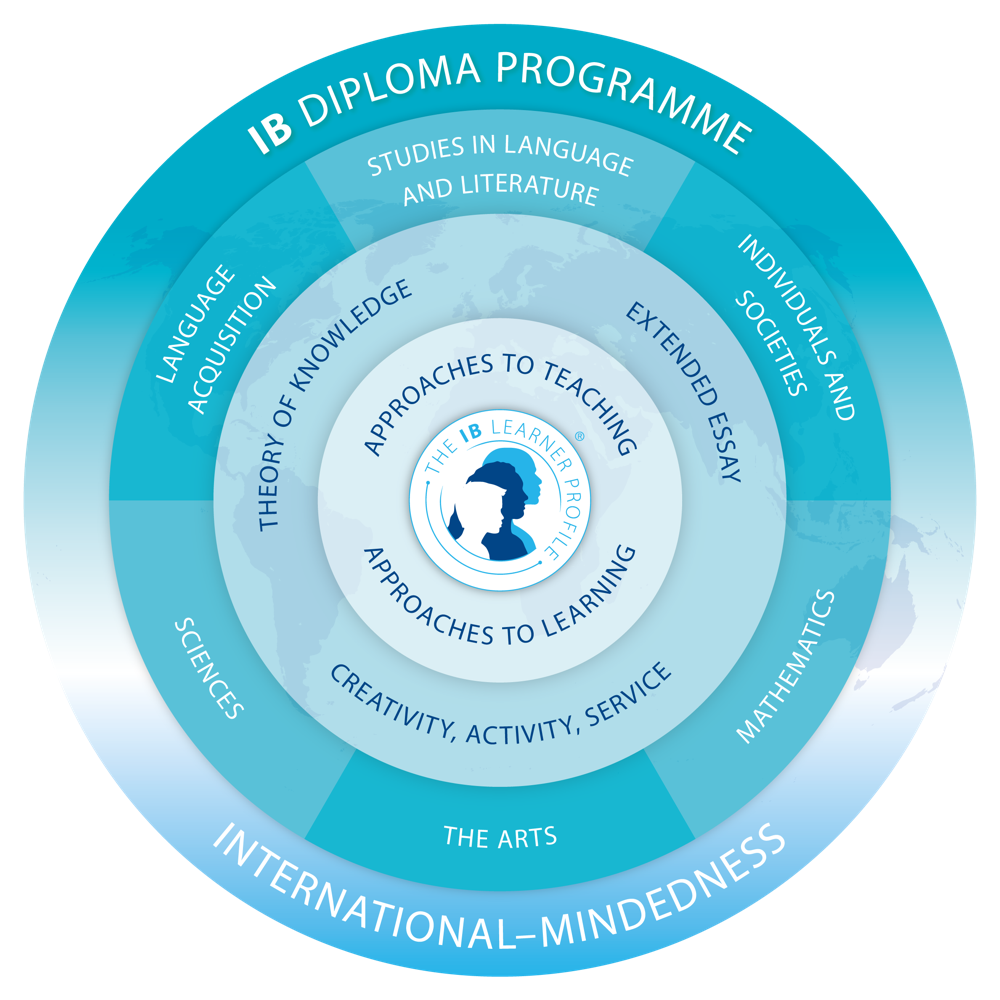
One subject from each of the first five. The sixth from the arts, or a second from another group. Three or four at higher level, the rest at standard level.
[The Diploma subjects HIS teaches this year, and at which levels.]
A course in how you know what you claim to know. Assessed by an essay and an exhibition.
Independent research on a question the student chooses. Up to 4,000 words. Supervised, and written alone.
Eighteen months of doing things that are not examinations. Not graded. Required.
Most marks come from examinations set and marked outside the school, at the end of Grade 12. The rest is coursework, marked here and moderated by the IB. HIS sits the May session.
Each university sets its own entry terms. The IB keeps a record of what universities say they accept. Look up the ones your child is considering, rather than take any school’s word for it, ours included.
Who it is for
The IB learner profile. The person every IB programme hopes a student becomes. Not a grade. A direction.
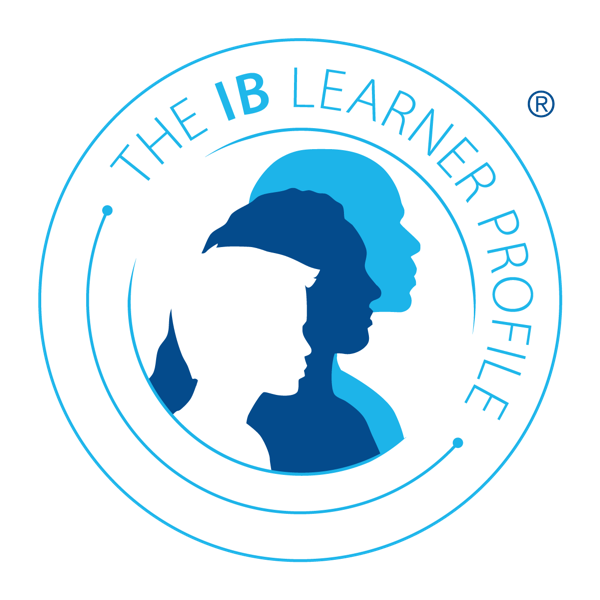
Inquirers
Knowledgeable
Thinkers
Communicators
Principled
Open-minded
Caring
Risk-takers
Balanced
Reflective
We look for these where we look for everything else: in what a student makes and does, not in what they say about themselves.
Before Grade 11
Ages 3–11 · Kindergarten to Grade 5
Candidate school*
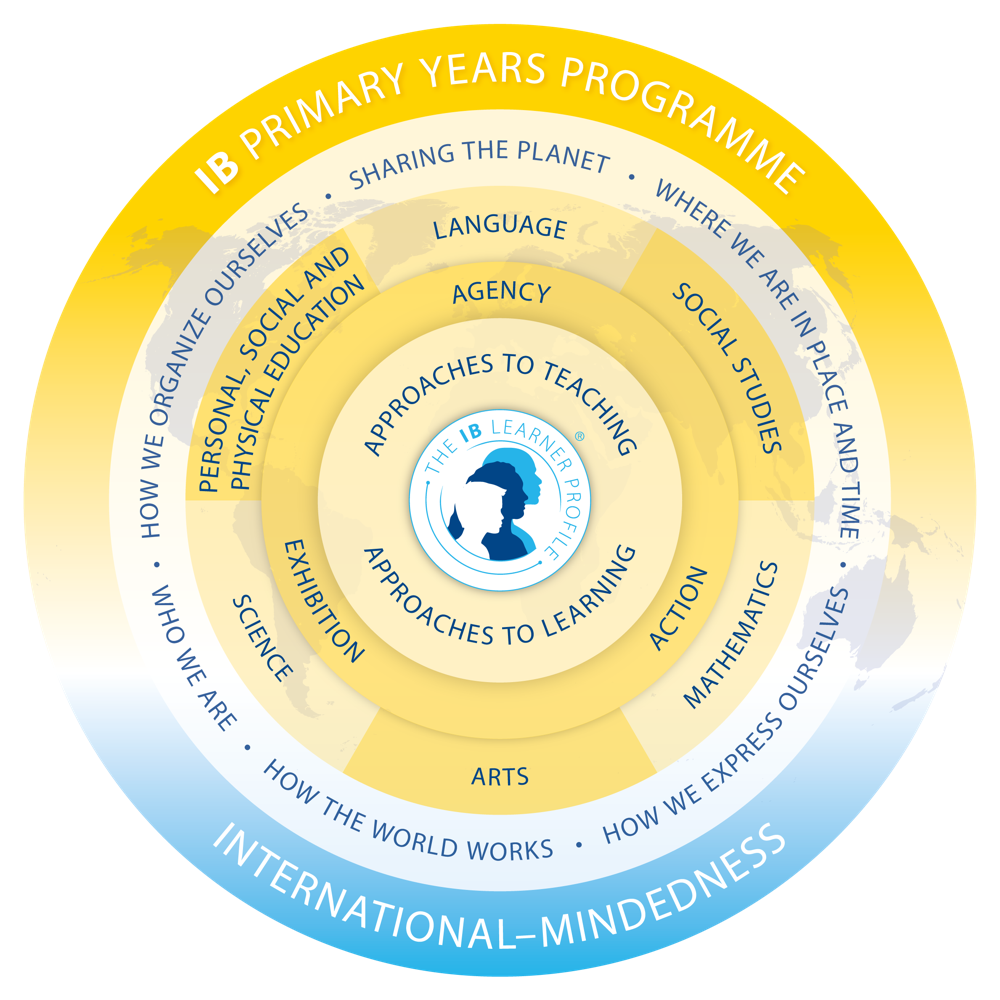
Learning is organised around six themes that cross every subject, returned to each year, each time more deeply.
It ends with the exhibition: in the final year, students choose a real problem, investigate it together, and present what they found to the community.
The six themes
Ages 11–16 · Grades 6–10
Candidate school*
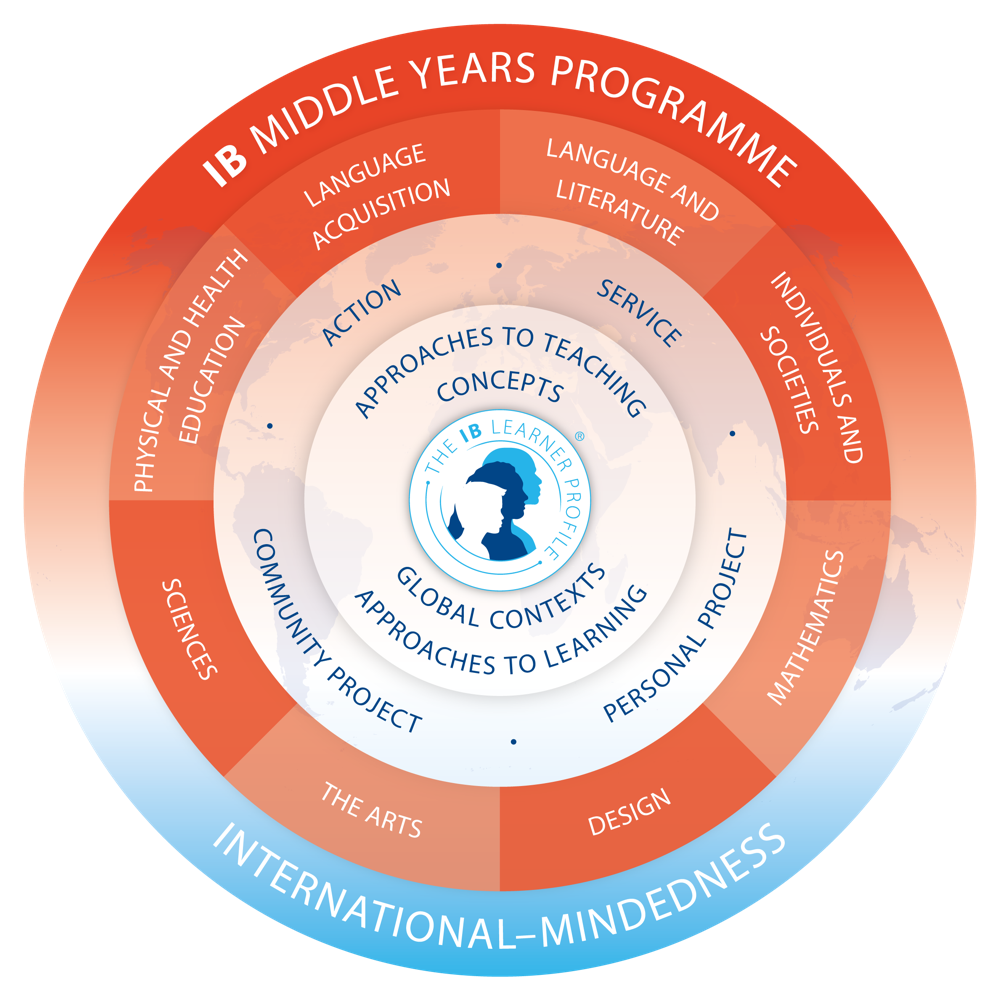
Eight subject groups, every year. Global contexts tie what is learned in one subject to the world outside all of them.
It ends with the personal project: in the final year, each student sets a goal of their own and carries it from idea to finished work.
The eight subject groups
Human International School is a candidate school* for the Primary Years Programme and the Middle Years Programme. This school is pursuing authorization as an IB World School. These are schools that share a common philosophy—a commitment to high quality, challenging, international education that Human International School believes is important for our students.
*Only schools authorized by the IB Organization can offer any of its four academic programmes: the Primary Years Programme (PYP), the Middle Years Programme (MYP), the Diploma Programme (DP), or the Career-related Programme (CP). Candidate status gives no guarantee that authorization will be granted. For further information about the IB and its programmes, visit www.ibo.org.
Where it sits
The IB is how we teach a child to think. It is not the reason to choose HIS, and we would rather you did not choose us for it alone.
Underneath it sits SANDBOX: seven programmes that make a student use what they learn, every year. That part is ours.
From the IB itself
These open the IB’s own website.
International Baccalaureate, Baccalauréat International, Bachillerato Internacional and IB logos are registered trademarks of the International Baccalaureate Organization.
Programme models, logos and the IB learner profile © International Baccalaureate Organization, reproduced as the IB supplies them.
Watch who asks the questions. That is the Diploma, more honestly than this page can put it.